From Quote to Installation: A Step-by-Step Guide to Your Solar Project
Solar Basics
2026 / 08 / 10 ⋅ 4 min read



Installing solar is a significant decision for any homeowner or business, yet the process remains unfamiliar to most. It is not simply “buy panels, put them on the roof.” Between the first inquiry and the moment your system starts generating power, there are multiple stages, each with its own timeline and decisions.
This guide walks through the typical journey for residential and light commercial rooftop projects. Knowing what to expect helps you ask better questions, compare proposals effectively, and avoid preventable delays.
As a global solar module manufacturer, Astronergy has extensive experience working alongside installers and EPC partners across different types of solar projects. This guide outlines the typical stages of a rooftop solar project and what to consider at each step.
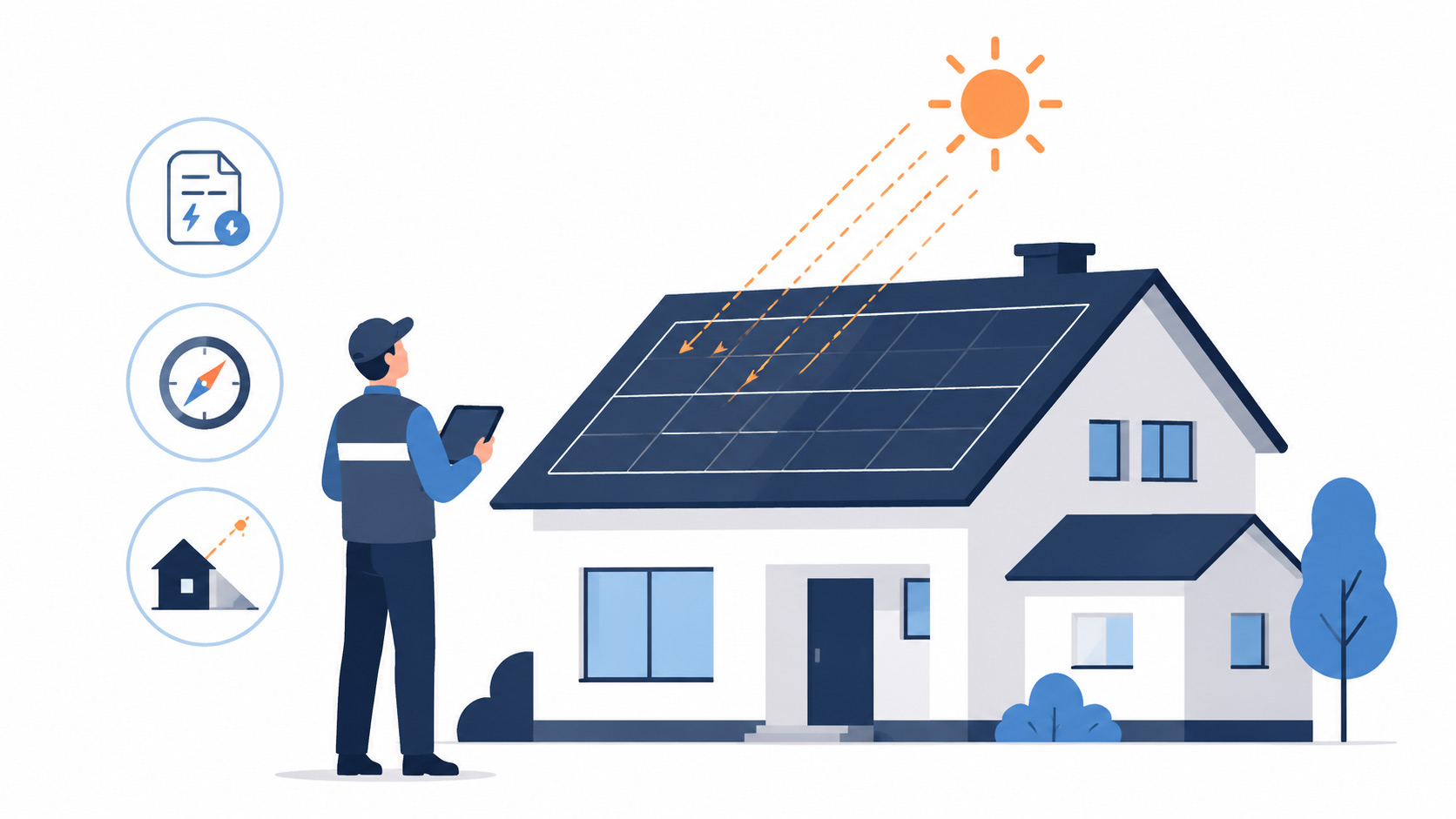
The process typically begins with a quote request. Have your recent electricity bills ready; they reveal your annual consumption pattern, which drives system sizing. You will also want to share basic information about your roof: age, material, orientation, and any known shading.
A quality quote should include estimated system size (kW), projected annual generation (kWh), specific equipment proposed, and warranty terms. Getting quotes from multiple providers is standard practice, but comparing them requires looking beyond price per watt.
Before installation begins, a qualified installer conducts a site assessment covering structural condition, orientation and tilt, shading analysis across seasons, and a review of your electrical infrastructure. This step provides the foundation for accurate system design and can help identify potential issues early, reducing the likelihood of performance gaps or costly design changes later in the project.
With site data in hand, the installer designs a system matched to your consumption, available area, and local grid requirements. Key decisions include module selection, inverter type and sizing, mounting configuration, and a monitoring platform.
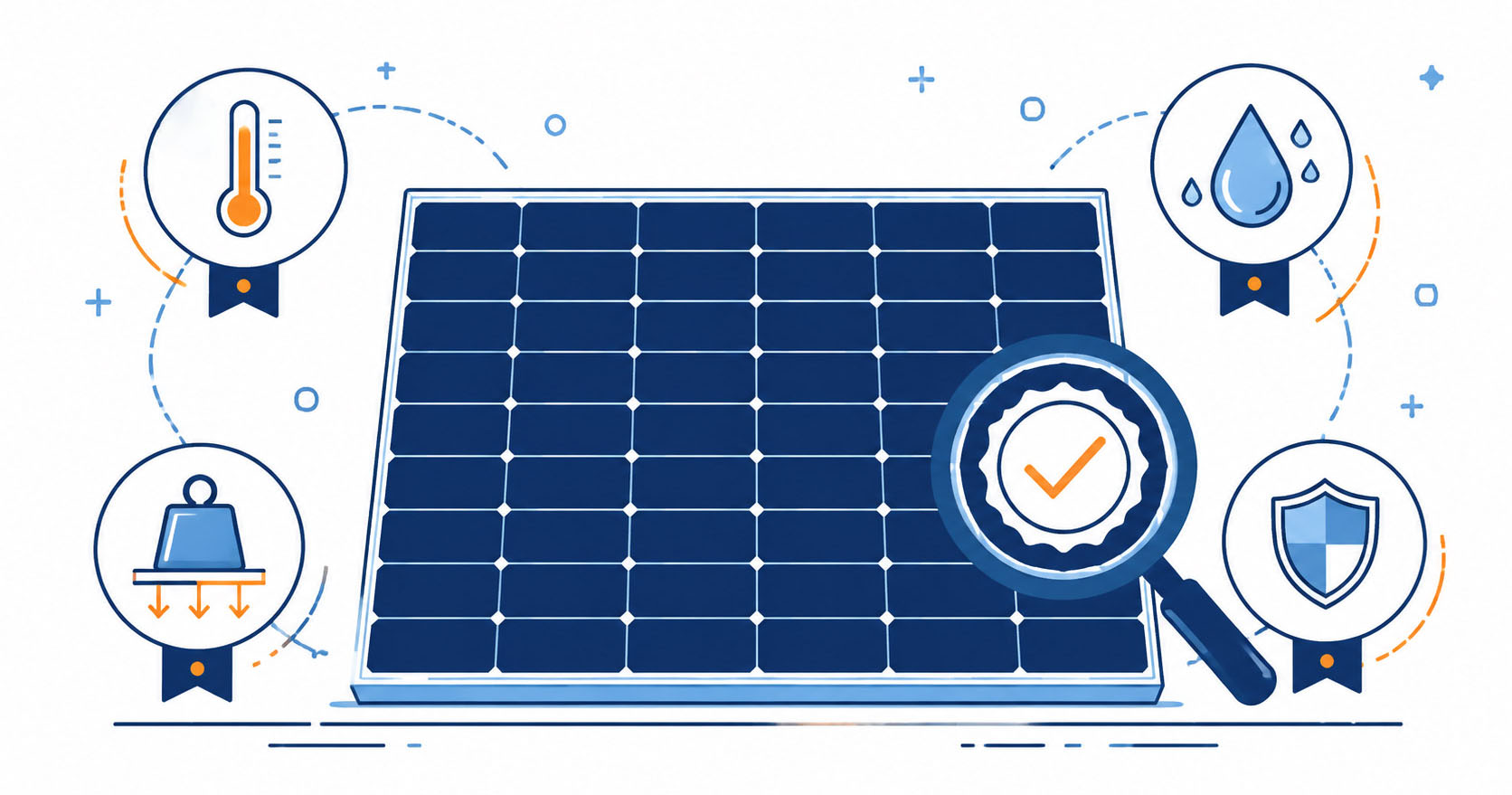
Module selection deserves particular attention. Modules are the most visible component of any installation and typically the longest-lasting. When comparing options, look beyond marketing claims to independent third-party verification organizations such as TÜV Rheinland, UL Solutions, Kiwa PVEL, or RETC. These programs provide useful independent benchmarks for assessing module reliability under a range of accelerated testing conditions.
Beyond certifications, climate resilience is what end users experience: hail resistance, wind and snow load ratings, and salt mist corrosion resistance affect how a system holds up over decades. Reputable manufacturers validate these through accelerated lifetime testing in certified laboratories.

Solar financing varies by region. Common models include outright cash purchase, solar-specific loans, and, where available, leases or power purchase agreements. Government incentives and feed-in tariff schemes differ from one jurisdiction to the next. This is a general overview, not financial advice; a reputable local installer can help model your specific numbers.
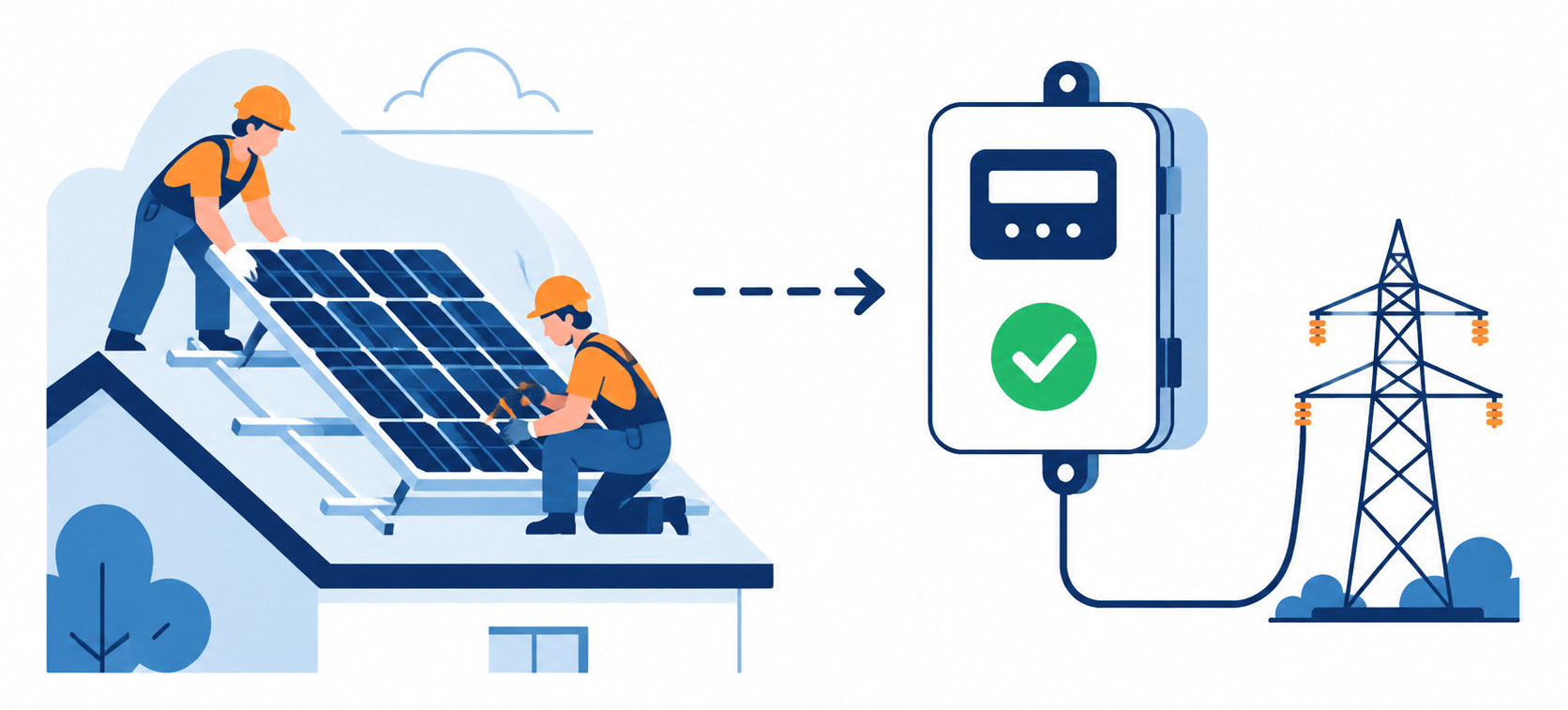
For a typical residential project, physical installation takes one to three days; light commercial installations may extend to one to two weeks. The sequence is straightforward: mounting system, module placement and wiring, inverter connection, and final electrical integration.
Once the hardware is in place, one step is often overlooked: grid interconnection approval. In North America this is commonly called PTO (Permission to Operate); elsewhere it may be referred to as grid connection authorization or interconnection approval. Depending on local regulations, this approval is usually required before a system can export electricity to the grid. Until the utility or grid operator grants formal approval, the system must not be connected to the grid or allowed to export electricity. This approval can take days to weeks. Knowing this upfront prevents the confusion of a finished system sitting idle.
At handover, you should receive system test results, monitoring platform access, warranty documentation, and support contact information.

Most solar systems are designed to operate for decades. What happens after commissioning matters as much as the installation itself.
Routine care is straightforward: periodic cleaning (particularly in dry or dusty regions) and a quick visual inspection after major storms. Your monitoring platform is the first line of defense: an unexplained drop in daily generation is often the earliest signal of an issue, well before it shows up on a utility bill.
When something needs attention, the installer is typically the first point of contact for system-level concerns. For module-specific issues, the manufacturer’s warranty provides an additional layer of long-term support. Astronergy’s ASTRO N series modules, for example, are backed by up to 25-year product warranties and 30-year linear power warranties.
Solar is a multi-decade investment. Careful site assessment, informed system design, and thoughtful equipment selection can help reduce uncertainty throughout the project lifecycle. Independent testing and transparent technical information provide useful reference points when comparing module options.
For project owners and installers exploring module options, Astronergy’s product portfolio provides detailed technical information to support informed equipment selection. Explore our product pages to learn more.
 https://astronergy.com.au/wp-content/uploads/2026/09/Future-Proofing-a-Landmark-Hotel-A-Comprehensive-Energy-Upgrade-with-Solar.jpg
1152
2048
marketing.astro
/wp-content/uploads/2024/07/Astronergy-LOGO-black.png
marketing.astro2026-08-20 11:49:322026-09-03 17:23:48Future-Proofing a Landmark Hotel: A Comprehensive Energy Upgrade with Solar
https://astronergy.com.au/wp-content/uploads/2026/09/Future-Proofing-a-Landmark-Hotel-A-Comprehensive-Energy-Upgrade-with-Solar.jpg
1152
2048
marketing.astro
/wp-content/uploads/2024/07/Astronergy-LOGO-black.png
marketing.astro2026-08-20 11:49:322026-09-03 17:23:48Future-Proofing a Landmark Hotel: A Comprehensive Energy Upgrade with Solar https://astronergy.com.au/wp-content/uploads/2026/08/Industry-Insights-7-Brazils-Solar-Market-Moves-Toward-a-Circular-Economy.jpg
714
1269
marketing.astro
/wp-content/uploads/2024/07/Astronergy-LOGO-black.png
marketing.astro2026-08-19 13:38:552026-08-20 14:12:36Industry Insights #7: Brazil’s Solar Market Moves Toward a Circular Economy
https://astronergy.com.au/wp-content/uploads/2026/08/Industry-Insights-7-Brazils-Solar-Market-Moves-Toward-a-Circular-Economy.jpg
714
1269
marketing.astro
/wp-content/uploads/2024/07/Astronergy-LOGO-black.png
marketing.astro2026-08-19 13:38:552026-08-20 14:12:36Industry Insights #7: Brazil’s Solar Market Moves Toward a Circular Economy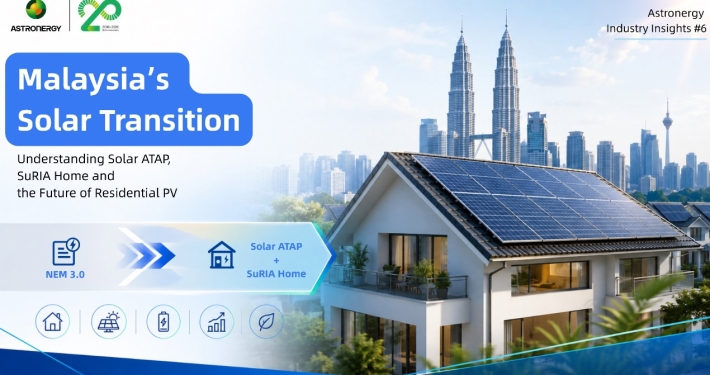 https://astronergy.com.au/wp-content/uploads/2026/08/Industry-Insights-6-Malaysias-Solar-Transition-–-Understanding-Solar-ATAP-SuRIA-Home-and-the-Future-of-Residential-PV.jpg
714
1270
marketing.astro
/wp-content/uploads/2024/07/Astronergy-LOGO-black.png
marketing.astro2026-07-30 14:00:032026-08-20 14:44:42Industry Insights #6: Malaysia’s Solar Transition – Understanding Solar ATAP, SuRIA Home and the Future of Residential PV
https://astronergy.com.au/wp-content/uploads/2026/08/Industry-Insights-6-Malaysias-Solar-Transition-–-Understanding-Solar-ATAP-SuRIA-Home-and-the-Future-of-Residential-PV.jpg
714
1270
marketing.astro
/wp-content/uploads/2024/07/Astronergy-LOGO-black.png
marketing.astro2026-07-30 14:00:032026-08-20 14:44:42Industry Insights #6: Malaysia’s Solar Transition – Understanding Solar ATAP, SuRIA Home and the Future of Residential PVAstronergy
News
Expos
Sustainability
Technology Innovation
Smart Manufacturing
Quality Control
Download Center
FAQs & Support
Solar Project Cases
After-sales Service
*By clicking subscribe, I agree to Astronergy’s Privacy Policy and Terms of Use.


 RE+ Mid-Atlantic 2026
Scroll to top
RE+ Mid-Atlantic 2026
Scroll to top